


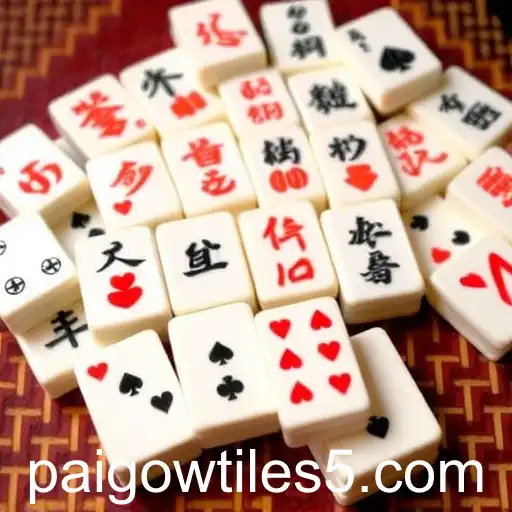
Exploring the growing popularity of Pai Gow Tiles, a traditional Chinese game, in the Western online gaming landscape.
In recent years, Pai Gow Tiles has emerged as a standout game in the Western gaming scene, especially on online platforms. This traditional Chinese game, known for its strategic depth and cultural significance, is increasingly capturing the interest of Western players who are keen to explore diverse gaming experiences beyond the typical card games.
The origin of Pai Gow Tiles dates back centuries, originating in China. It involves a complex set of tiles that resembles modern-day dominoes. Players aim to create winning hands by pairing these tiles, demanding both strategic acumen and a bit of luck.
The past few years have seen an uptick in the game’s integration into Western online casinos. Many gaming platforms in the US and Europe now offer Pai Gow Tiles, appealing to players seeking novel challenges. This growth is partly driven by the broader trend of cultural games entering the mainstream, as curiosity towards traditional Asian games like Mahjong and Pai Gow Poker heralds increased interest in Pai Gow Tiles as well.
Gaming experts suggest that Pai Gow Tiles' appeal lies in its unique blend of simplicity and complexity. While the rules can initially seem daunting, the gameplay itself offers a rewarding strategic experience that challenges players to think several moves ahead. This characteristic has made it particularly popular among seasoned gamers looking for something beyond the quick gratification of slot machines or conventional poker.
As more online platforms add Pai Gow Tiles to their repertoire, developers are also working on enhancing the digital experience of the game. Innovative features, such as interactive tutorials and AI-powered opponents, are making it easier for newcomers to learn and enjoy Pai Gow Tiles without feeling overwhelmed.
With 2025 seeing further advancements in online gaming technology, the dynamics of Pai Gow Tiles in the Western market are likely to evolve. Enhanced graphics, more realistic simulations, and VR implementations are potential game-changers that could drive this classic game to even greater heights. The continued expansion of Pai Gow Tiles into English-speaking territories points to a growing appreciation for cross-cultural game experiences in the digital age.
As traditional boundaries in gaming blur and virtual platforms offer these age-old games to a new audience, Pai Gow Tiles stands out as a fascinating study in how a game can acclimate and be embraced globally.

