


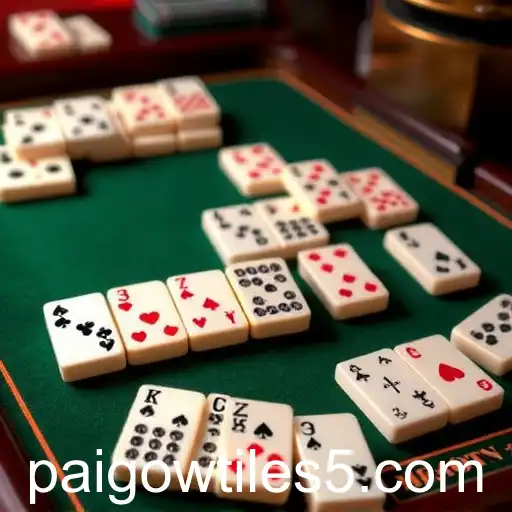
Exploring how Pai Gow tiles have been transformed in the age of online gaming with insights into its rising popularity, historical significance, and digital dynamics.
As we step into the mid-2020s, the traditional Chinese game of Pai Gow tiles is experiencing a modern renaissance, attracting both veteran players and a new generation engrossed by its strategic depth. This surge in popularity can be attributed largely to the game's adaptation to online platforms, making it easily accessible to a global audience.
Online gaming websites have capitalized on this trend, offering interactive and immersive experiences that maintain the cultural essence of Pai Gow, while also appealing to contemporary players. The COVID-19 pandemic played a crucial role in accelerating this shift, as many individuals sought digital avenues for entertainment while adhering to social distancing measures.
Historically, Pai Gow tiles have been deeply rooted in Chinese culture, dating back over a thousand years. Traditionally played with 32 stacked tiles, the game demands a blend of strategy, skill, and a bit of luck, challenging players to form the highest-ranking pair of hands against the banker. With such complexities, it is no wonder that the game has attracted a dedicated following worldwide.
The transition from physical tables to digital screens has not been seamless but rather a dynamic process marked by technological innovations. Enhanced graphics and intuitive interfaces ensure the digital version remains faithful to its roots, while multiplayer features offer players the opportunity to compete against others globally, enhancing their strategic prowess.
Adding to this, online gaming platforms have made significant efforts to educate new players by providing tutorials, forums, and community spaces where insights and strategies can be shared freely. Such efforts reinforce not only the basics of the game but also highlight advanced techniques that can elevate a player's performance.
Looking ahead, the synergy between tradition and technology promises further developments in the world of Pai Gow tiles. As more players join this digital space, we expect to see an escalation in the sophistication of gameplay and perhaps even innovations that may set trends within the game or spawn new variants altogether. Brands entering this domain have a unique opportunity to blend cultural heritage with digital excitement, striving for engagement that is both entertaining and respectful of its origins.
As Pai Gow tiles continue to enchant new audiences and retain long-time enthusiasts, their influence on the online gaming sphere seems poised only to grow. This enduring game's evolution is a testament to how technology can enrich traditional pastimes, preserving their legacy while securing their place in the future digital entertainment landscape.

