


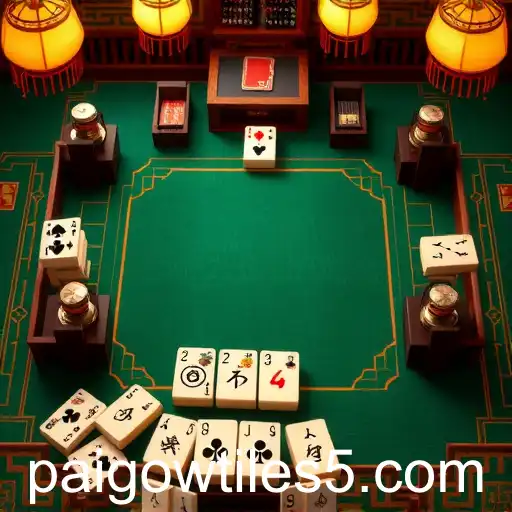
Exploring the cultural and strategic nuances of Pai Gow Tiles in the modern gaming industry.
As the digital era continues to reshape traditional pastimes, Pai Gow Tiles stands as a testament to the enduring appeal of games rooted in rich cultural heritage. Originating in China, this tile-based game combines elements of skill, strategy, and chance, offering players a unique blend of excitement and mental challenge. In 2026, English online gaming platforms have increasingly integrated Pai Gow Tiles into their offerings, reflecting a growing trend towards cultural fusion in entertainment.
The rise of Pai Gow Tiles in digital formats has sparked discussions about the game's role in bridging cultural divides. Unlike many modern games, Pai Gow Tiles requires an understanding of both arithmetic and strategic insight, drawing parallels with Western games such as poker. However, what sets it apart is its deep cultural symbolism and historical roots, which are being embraced by a global audience.
Online platforms have become instrumental in the game's resurgence, providing accessibility to new players and fostering international tournaments that celebrate its complexity. The increasing presence of Pai Gow Tiles in online communities speaks volumes of its acceptance beyond traditional borders. As digital infrastructures improve, the game's strategy-focused mechanics and rich backstory make it a staple among enthusiasts seeking an alternative to typical online gaming experiences.
Experts are now exploring the potential impact of Pai Gow Tiles on cognitive development and social engagement. Recent studies suggest that regular engagement with strategic games like Pai Gow may improve problem-solving skills and enhance social interaction, contributing positively to players' mental acuity. The digital transformation of the game has preserved these benefits while allowing for a more inclusive and diverse player base.
The cross-cultural dynamics observed in the game's expansion also highlight a broader trend within the gaming industry. As developers seek to introduce more culturally diverse content, Pai Gow Tiles offers a model for how games can retain their cultural essence while appealing to global audiences. This case study in cultural synergy underscores the importance of diversity in gaming, which is increasingly recognized as a vital component of modern digital experiences.
In conclusion, the ascent of Pai Gow Tiles as a popular offering on English game websites is more than just a fad. It represents a fusion of tradition and innovation, cultural history, and modern technology. As online platforms continue to adapt and expand their gaming libraries, Pai Gow Tiles will likely remain a key player in the gaming domain, reminding us of the importance of cultural diversity in shaping the future of digital entertainment.

